

When I received the call, I knew it would be a challenging project. The owner, a busy professional, felt overwhelmed by clutter and was seeking help. It wasn’t just about having a messy home, it was the feeling of drowning in a sea of stuff with no clear path to reclaim order.
The cause of this chaos? A mix of a hectic lifestyle, lack of storage solutions, and simply having too many belongings. The owner’s stress was palpable, and I knew that helping them would be more than just organizing; it would be a journey toward a more peaceful way of living.
Decluttering Tips
The Cause
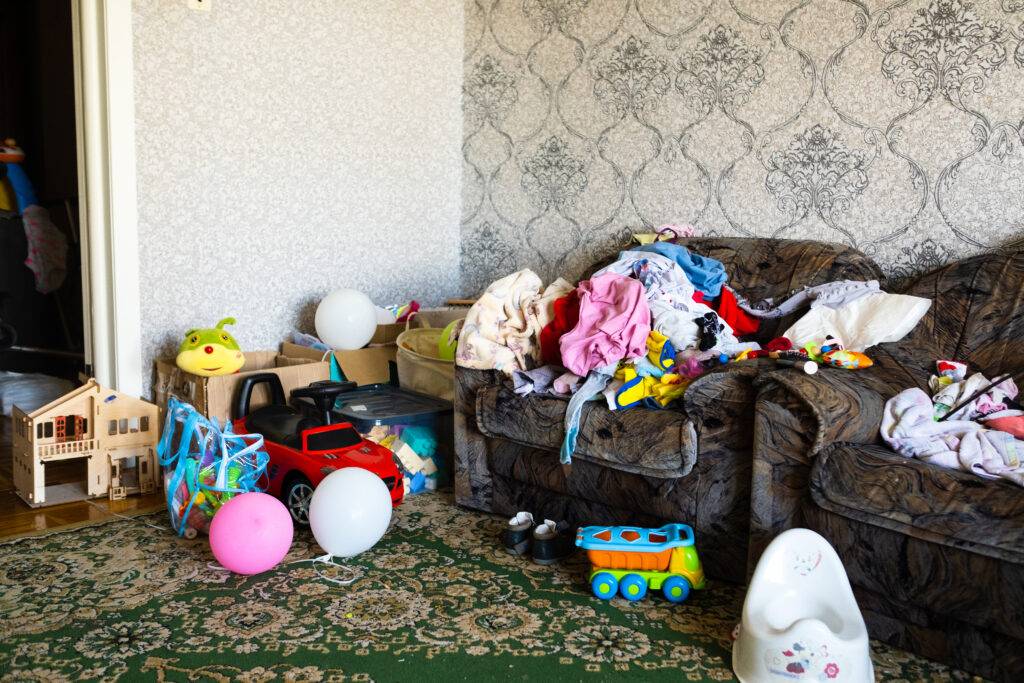
As I walked through the house, it became clear that the clutter wasn’t just physical, it was emotional. Each room had its own story of accumulated stress. The kitchen, for example, was overflowing with papers, mismatched dishes, and random gadgets. The living room was a jumble of toys, DVDs, and forgotten electronics. The garage was filled with old furniture, broken tools, and half-finished DIY projects.
I sat down with the owner and asked about their daily routines and what led to the current state of things. They admitted that they had never established a system for organizing. With a demanding job and family obligations, life had simply gotten ahead of them. They’d tried to declutter before but felt overwhelmed by the sheer volume of stuff, causing them to give up quickly. They wanted to find a way to break the cycle of clutter and regain control of their space.
Decluttering Tips for Your Home
To create a plan, I researched various organizing methods and tailored them to the townhouse owner’s needs. I looked into the “KonMari” method, which focuses on keeping only what brings joy, and the “Four-Box” method, where you sort items into keep, donate, discard, or relocate. I also considered space-saving solutions and storage techniques that would work in a small townhouse.
Given the owner’s busy schedule, I needed a method that was simple and sustainable. I decided to combine the KonMari approach with the Four-Box method, allowing us to systematically go through each room, identify what was essential, and create organized spaces.
How to Declutter Your Home?

With everything ready, we started with the necessities in every home.
Kitchen
The kitchen was our first target. I set up four large boxes and worked with the owner to sort through everything. We cleared out expired food, donated unused gadgets, and organized the utensils into proper trays. I created a designated space for mail and bills to prevent paper clutter from building up again. The transformation in this one room made a noticeable impact on the entire home. The counters were clear, and the drawers were neatly organized.
Living Room
In the living room, we tackled the toy chaos by introducing storage bins with labels for each category of toys. I encouraged the owner to involve their kids in the process, allowing them to choose which toys to keep and which to donate. This not only created a sense of ownership for the children but also reduced the chances of future clutter.
We rearranged the furniture to create a designated play area, freeing up space for family activities. This was a game-changer, as it allowed the family to relax without feeling like they were in the middle of a toy store.
Garage
The garage was the most daunting task. It took a full day to sort through the clutter, deciding what could be donated or discarded. I encouraged the owner to let go of items they hadn’t used in years. We created a wall-mounted storage system for tools and built shelves for holiday decorations. By the end of the day, the garage was transformed from a dumping ground into a functional space. The owner could finally park their car inside, which was a huge relief, especially during harsh weather.
You can also get decluttering tips on Bathroom Storage.
How to Maintain?
After we finished, I discussed with the owner how to maintain the organization. I recommended setting aside 10 minutes each day for quick cleanups and scheduling quarterly decluttering sessions to prevent the clutter from returning. We also set up a “donate box” in the garage for items that were no longer needed.
This way, the owner could quickly remove items from the house without having to think too much about it. Consistency is key, and I stressed the importance of sticking to the plan to ensure long-term success.

How to Know It’s Time to Declutter?
One of the most important aspects of decluttering is recognizing when it’s time to act. Here are some telltale signs that it might be time to consider decluttering your space:
- You can’t find things: If you’re constantly misplacing items or spending excessive time looking for everyday essentials, it’s a sign that clutter is taking over.
- Spaces are unusable: When rooms become storage areas instead of living spaces, it’s time to take action.
- You avoid certain rooms: If certain areas of your home bring you stress or discomfort, that’s a red flag.
- You feel overwhelmed at home: Your home should be a place of comfort, not a source of anxiety.
- Family conflict over clutter: When clutter leads to arguments or stress in your relationships, it’s a clear sign that change is needed.
Conclusion
By the time I finished working on the townhouse, it felt entirely different. What was once a chaotic environment full of stress had become a space where the owner could relax and enjoy time with family. The process wasn’t just about sorting and organizing, it was about understanding their needs and creating a system that would work for their lifestyle.
The change in their attitude was the best reward; I could see their relief as they looked around at the newly organized home. It was clear that with a bit of effort and the right approach, anyone could reclaim their space and, with it, a sense of calm and order. Read more about the Decluttering Checklist.
How do I start decluttering if I’m overwhelmed?
Start small. Pick one area, like a drawer or a shelf, and focus on that. Use the Four-Box method: keep, donate, discard, or relocate. The key is to create manageable tasks. As you complete these smaller projects, you’ll gain momentum and confidence to tackle larger areas. Remember, progress is progress, no matter how small.
What should I do with items that have sentimental value?
It’s common to struggle with sentimental items. The best approach is to prioritize the ones that genuinely mean something to you. Consider displaying them in a way that brings you joy or repurposing them. If you have too many, keep a few select pieces and consider taking photos of the rest. This way, you retain the memories without keeping physical clutter.
How do I prevent clutter from returning?
Consistency is key. Establish a routine for tidying up, 10 to 15 minutes each day can make a big difference. Set up systems for high-clutter areas, like a mail station or designated toy storage. Schedule regular decluttering sessions, ideally every few months, to keep things in check.
Also, adopt the “one in, one out” rule: for every new item that comes into your home, something else must go. This simple guideline helps maintain balance and prevents the accumulation of excess items.